Tag: implementation

  • Erp Software Platform

    Erp Software Platform

    Welcome to the world of ERP software platforms, where businesses can streamline their operations and maximize efficiency like never before. These powerful tools not only help manage various aspects of a company’s operations, but also provide valuable insights and data to drive informed decision-making. From inventory management to financial reporting, ERP software platforms are revolutionizing the way businesses operate in today’s fast-paced world. Let’s delve into the amazing capabilities of these platforms and explore how they can transform your business operations.
    ERP software platforms

    Understanding ERP Software Platforms

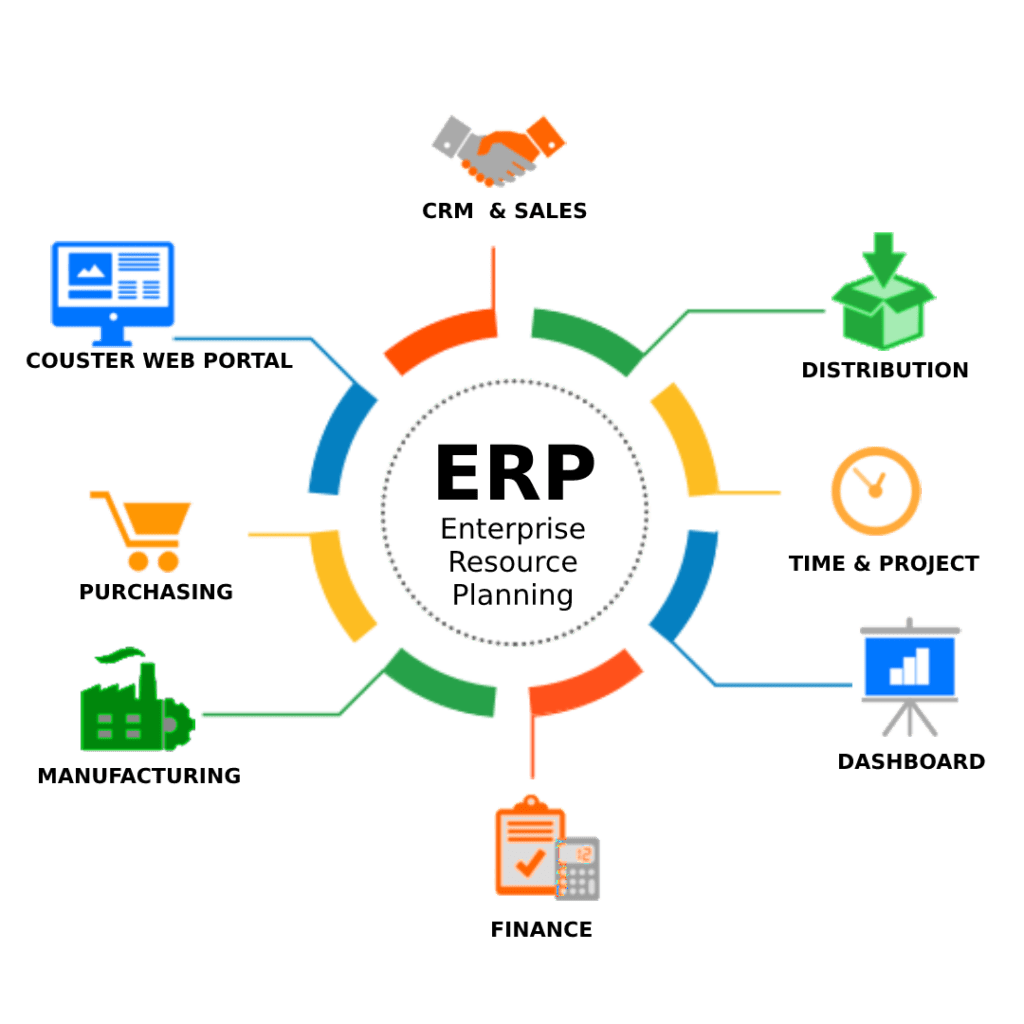
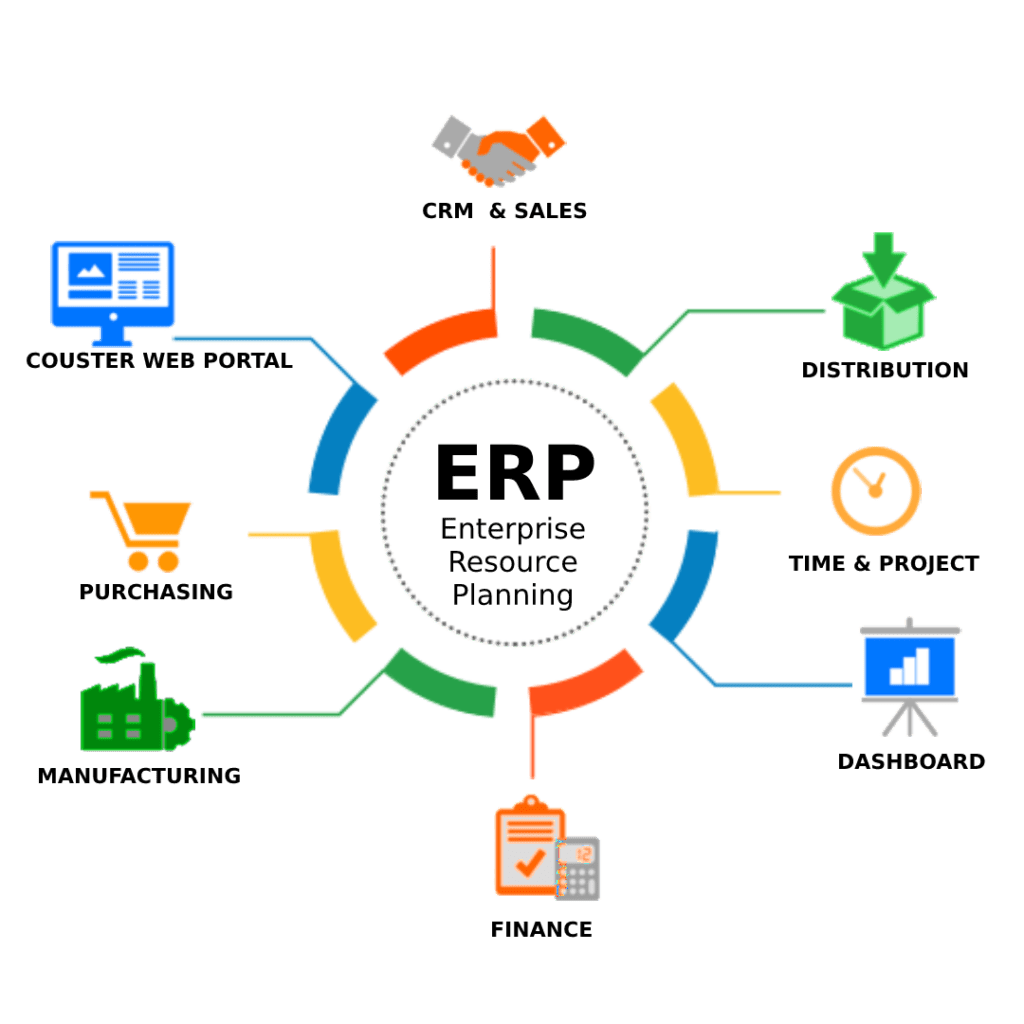
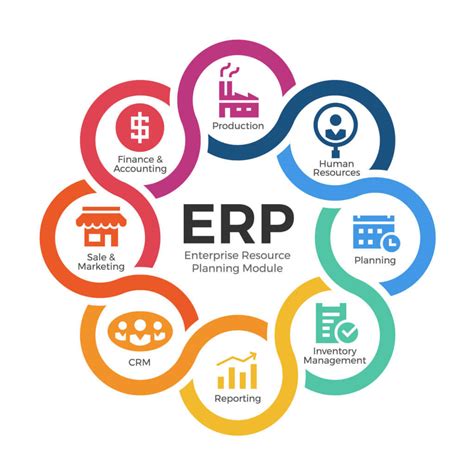
    ERP software platforms are comprehensive business management tools that integrate all facets of a company’s operations into a single system. These platforms help streamline processes, improve efficiency, and provide real-time insights for better decision-making. With ERP software, companies can manage everything from accounting and human resources to inventory and customer relationship management in one centralized location.

    One of the key features of ERP software platforms is their ability to automate repetitive tasks, reducing the need for manual data entry and freeing up time for employees to focus on more strategic initiatives. By automating processes such as invoicing, inventory management, and payroll, companies can reduce errors and improve overall accuracy in their operations.

    Also read :

    Erp Business Software

    Furthermore, ERP software platforms offer businesses a 360-degree view of their operations, allowing them to track performance, analyze data, and identify trends in real time. This visibility enables businesses to make informed decisions based on accurate information, leading to improved efficiency and productivity.

    Another advantage of ERP software platforms is their scalability. As companies grow and evolve, their needs may change, requiring additional features or functionalities. ERP software platforms are designed to be flexible and customizable, allowing businesses to adapt and expand their systems as needed without incurring significant costs.

    Additionally, ERP software platforms enhance collaboration and communication within an organization. By providing a centralized platform for employees to access information and collaborate on projects, ERP software fosters a culture of teamwork and transparency that can lead to increased productivity and morale.

    In conclusion, ERP software platforms are powerful tools that can transform the way businesses operate. By centralizing data, automating processes, and providing real-time insights, ERP software platforms enable companies to improve efficiency, make better decisions, and ultimately drive growth and success. Embracing an ERP software platform is not just a trend, but a strategic imperative for businesses looking to stay competitive in today’s fast-paced, digital world.

    Key Features of ERP Software Platforms

    ERP software platforms offer a wide range of key features that help businesses streamline their operations and enhance efficiency. One of the most important features of an ERP software platform is centralized data management. This feature allows businesses to store all of their important data in one place, making it easily accessible to authorized users. With centralized data management, employees can quickly find the information they need without having to search through multiple systems or databases.

    Also read :

    Erp Business Software

    Another key feature of ERP software platforms is real-time reporting and analytics. These platforms provide businesses with up-to-date information on their operations, finances, and other key metrics. Real-time reporting allows business owners and managers to make informed decisions quickly, based on the most current data available. This feature is crucial for businesses looking to stay ahead of the competition and adapt to changing market conditions.

    Additionally, ERP software platforms often include features for automating routine tasks and processes. Automation can help businesses save time and money by reducing the need for manual data entry and processing. By automating tasks such as invoicing, inventory management, and order processing, businesses can increase efficiency and productivity across their organization.

    Collaboration tools are another important feature of ERP software platforms. These tools allow employees to communicate, share information, and work together on projects more effectively. Collaboration tools can include features such as instant messaging, document sharing, and project management tools. By incorporating these tools into their ERP software platform, businesses can improve communication, reduce errors, and increase productivity.

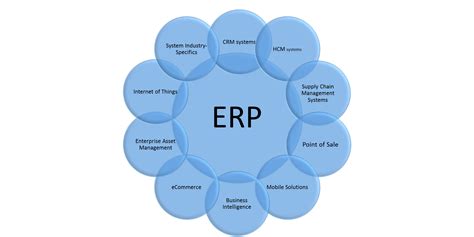
    Finally, ERP software platforms often offer integration with other business software applications. This integration allows businesses to connect their ERP system with other tools they use, such as customer relationship management (CRM) software, e-commerce platforms, and accounting software. By integrating their ERP platform with other systems, businesses can streamline their operations, reduce data silos, and improve overall efficiency.

    Also read :

    Erp Systems For Small To Medium Business

    Benefits of Implementing an ERP Software Platform

    Implementing an ERP software platform offers a wide range of benefits for businesses of all sizes. From streamlining processes to improving decision-making capabilities, the advantages of utilizing an ERP system are numerous. Below are some of the key benefits of implementing an ERP software platform:

    1. Increased Efficiency and Productivity

    One of the main benefits of using an ERP software platform is the increase in efficiency and productivity it can provide. By centralizing all business processes and data in one system, employees are able to access information more quickly and easily. This streamlines operations and reduces the time spent on manual tasks, ultimately leading to increased productivity across the organization.

    2. Improved Decision-Making

    With an ERP software platform in place, decision-makers have access to real-time data and insights that can help them make informed decisions. By providing accurate and up-to-date information on various aspects of the business, such as sales, inventory, and financials, ERP systems enable businesses to make strategic decisions that drive growth and profitability.

    3. Enhanced Data Security

    When it comes to handling sensitive business data, security is paramount. ERP software platforms offer robust security features that help protect data from unauthorized access and cyber threats. With role-based access controls, encryption, and regular security updates, ERP systems ensure that your business data is safe and secure at all times.

    Also read :

    Iot And Erp

    Additionally, ERP systems help businesses comply with industry regulations and standards by providing audit trails and data encryption features. This not only protects sensitive information but also helps build trust with customers and partners, ultimately enhancing your brand reputation.

    4. Scalability and Flexibility

    As your business grows and changes, so do your needs for technology solutions. ERP software platforms are designed to be scalable and flexible, allowing you to easily add or remove features and users as needed. This scalability ensures that your ERP system can grow with your business, eliminating the need for costly system replacements in the future.

    5. Cost Savings

    Implementing an ERP software platform can lead to significant cost savings for businesses. By streamlining processes, reducing manual errors, and improving overall efficiency, ERP systems help businesses cut down on operational costs. Additionally, by consolidating multiple systems into one integrated platform, businesses can eliminate the need for multiple software licenses and reduce maintenance and support costs.

    In conclusion, implementing an ERP software platform offers a multitude of benefits for businesses looking to streamline operations, improve decision-making, and enhance data security. From increased efficiency and productivity to cost savings and scalability, ERP systems are a valuable investment for businesses of all sizes.

    Also read :

    Erp Business Software

    Choosing the Right ERP Software Platform for Your Business

    When it comes to selecting the right ERP software platform for your business, there are several key factors to consider. It is important to choose a solution that aligns with your business goals and processes, as well as one that fits within your budget. Here are some tips to help you make the right decision:

    1. Define your business needs: Before you start your search for an ERP software platform, take the time to clearly define your business needs and objectives. Consider what functionalities are most important to your business, whether it is inventory management, financial reporting, customer relationship management, or something else entirely. Knowing your priorities will help you narrow down your options and choose a platform that meets your specific requirements.

    2. Assess scalability: As your business grows, your ERP software platform should be able to grow with you. Consider how scalable the platform is and whether it can accommodate your future needs. Look for a solution that offers flexibility and can easily adapt to changes in your business environment.

    3. Consider integration capabilities: Your ERP software platform should be able to seamlessly integrate with other systems and applications that your business uses. This will help streamline processes and improve efficiency. Look for a platform that offers robust integration capabilities and can easily connect with your existing software tools.

    Also read :

    Erp System For Retail Business

    4. Evaluate user-friendliness: One of the most important factors to consider when choosing an ERP software platform is its user-friendliness. The platform should be easy to use and navigate, with an intuitive interface that makes it simple for employees to access the information they need. Look for a platform that offers a clean and organized layout, as well as comprehensive training and support resources to help your team get up to speed quickly.

    5. Analyze customization options: Every business is unique, and your ERP software platform should be able to accommodate your specific requirements. Look for a platform that offers customization options, allowing you to tailor the system to meet your individual needs. This may include the ability to add or remove modules, create custom reports, or adjust workflows to align with your business processes.

    6. Consider cloud vs. on-premise solutions: When choosing an ERP software platform, you will need to decide whether you want a cloud-based solution or an on-premise system. Cloud-based solutions offer flexibility and scalability, as well as the ability to access your data from anywhere with an internet connection. On-premise solutions, on the other hand, may offer greater control over your data and security. Consider your business needs and preferences when deciding which option is right for you.

    Also read :

    Erp Software Small Business

    By keeping these factors in mind and carefully evaluating your options, you can choose the right ERP software platform for your business. With the right solution in place, you can streamline processes, improve efficiency, and drive growth for your organization.

    Best Practices for Successful ERP Software Platform Implementation

    Implementing an ERP software platform can be a complex and daunting task for any organization. However, by following some best practices, you can increase the chances of a successful implementation. Below are five key best practices to consider:

    1. Define Clear Objectives and Goals

    Before implementing an ERP software platform, it is essential to clearly define your objectives and goals. What do you hope to achieve with the new system? Are you looking to streamline processes, improve efficiency, or enhance decision-making? By identifying your goals upfront, you can ensure that your ERP implementation is aligned with your overall business strategy.

    2. Select the Right ERP Software Vendor

    Choosing the right ERP software vendor is crucial to the success of your implementation. Make sure to thoroughly research and evaluate different vendors to find one that meets your specific needs and budget constraints. Look for vendors with a proven track record of successful implementations and a strong customer support system in place.

    Also read :

    Erp Systems For Small To Medium Business

    3. Invest in Training and Change Management

    Investing in training and change management is essential for ensuring a smooth transition to the new ERP software platform. Make sure to provide comprehensive training for employees at all levels of the organization to ensure they are comfortable using the new system. Additionally, establish a change management plan to address any resistance to the new system and ensure a successful rollout.

    4. Data Migration and Integration

    Proper data migration and integration are critical components of a successful ERP software implementation. Make sure to clean and prepare your data before migrating it to the new system to avoid any potential issues. Additionally, ensure that your ERP software platform integrates seamlessly with your existing systems to maintain data consistency and accuracy.

    5. Continuously Monitor and Evaluate Performance

    One of the most important best practices for successful ERP software platform implementation is to continuously monitor and evaluate performance. Regularly track key performance metrics to assess the impact of the new system on your business processes. Identify any areas of improvement and take proactive steps to address them to ensure the long-term success of your ERP implementation.

    By following these best practices, you can increase the likelihood of a successful ERP software platform implementation and maximize the benefits of your new system.

  • Erp Product Management

    Erp Product Management

    Welcome to our comprehensive guide on managing ERP products! Whether you’re a seasoned professional or just getting started in the world of Enterprise Resource Planning (ERP), this article is designed to provide you with valuable insights and practical tips for effectively managing ERP products. From navigating complex software systems to optimizing business processes, we’ve got you covered. So sit back, relax, and let us guide you through the ins and outs of managing ERP products.

    Managing ERP Products

    Understanding ERP Product Management

    ERP (Enterprise Resource Planning) product management involves the planning, organizing, and leading of a company’s ERP software products. It is the process of overseeing the development and maintenance of ERP software solutions that meet the needs of a business. ERP product managers work closely with various teams within the organization, including developers, marketers, salespeople, and customer support representatives, to ensure that the ERP software meets the requirements of the customers and the business as a whole.

    One of the key tasks of an ERP product manager is to understand the market and the needs of the customers. This involves conducting market research, gathering feedback from customers, and analyzing data to identify trends and opportunities for product improvements. By understanding the market and the needs of the customers, ERP product managers can develop a product roadmap that outlines the features and functionality that need to be added to the ERP software to meet the evolving needs of the customers.

    Also read :

    Erp Systems For Small To Medium Business

    In addition to understanding the market and the customers, ERP product managers also need to work closely with developers to ensure that the ERP software is developed according to specifications. This involves creating detailed product requirements, prioritizing features, and making decisions about the direction of the product development. ERP product managers also need to work with marketing teams to develop go-to-market strategies, create marketing materials, and communicate the value of the ERP software to customers.

    Another important aspect of ERP product management is ensuring that the ERP software is maintained and updated regularly. This involves managing the product lifecycle, coordinating software releases, and addressing any technical issues that arise. ERP product managers need to work closely with customer support representatives to gather feedback from customers and address any issues that arise in a timely manner. By actively managing the product lifecycle and addressing customer feedback, ERP product managers can ensure that the ERP software remains competitive and meets the needs of the customers.

    In conclusion, ERP product management is a complex and multifaceted role that involves understanding the market, working with developers and marketers, and managing the product lifecycle. ERP product managers play a crucial role in ensuring that ERP software solutions meet the needs of the customers and the business as a whole. By understanding the market, working closely with cross-functional teams, and actively managing the product lifecycle, ERP product managers can successfully bring ERP software products to market and drive business growth.

    Also read :

    Erp Business Software

    Key Components of ERP Product Management

    ERP product management is a crucial aspect of any company’s operations, as it involves overseeing the development, launch, and maintenance of the ERP software. To ensure the success of an ERP product, there are several key components that must be carefully managed:

    1. Market Research: Before developing an ERP product, it is important to conduct thorough market research to understand the needs and preferences of potential customers. This includes analyzing competitor products, conducting surveys, and gathering feedback from existing customers. By gaining a deep understanding of the market, product managers can ensure that the ERP product meets the needs of its target audience.

    2. Feature Prioritization: Once the market research is complete, the next step is to prioritize features for the ERP product. This involves identifying the core functionalities that are essential for the software to function effectively. Product managers must work closely with development teams to prioritize features based on customer feedback, market demand, and technological feasibility. It is important to strike a balance between including essential features and avoiding feature bloat, which can make the software cumbersome and difficult to use.

    3. Product Development: The product development phase involves working closely with developers and designers to bring the ERP product to life. Product managers must ensure that the development team is aligned with the product vision and goals, and that milestones are set and met. It is important to have clear communication channels in place to address any issues that may arise during the development process.

    Also read :

    Erp System For Retail Business

    4. Quality Assurance: Before launching the ERP product, it is crucial to conduct thorough quality assurance testing to ensure that the software is free of bugs and errors. This involves testing the software in various environments and scenarios to identify and address any issues before they reach customers. Product managers must work closely with quality assurance teams to ensure that the software meets high standards of quality and reliability.

    5. Launch and Marketing: Once the ERP product is developed and tested, the next step is to launch it to the market. Product managers must work closely with marketing teams to create a comprehensive launch plan that includes promotional activities, marketing campaigns, and customer outreach. It is important to create a buzz around the product to generate excitement and interest among potential customers.

    6. Customer Feedback and Iteration: After the ERP product is launched, it is important to gather feedback from customers to identify areas for improvement. Product managers must work closely with customer support teams to address any issues that arise and iteratively improve the software based on customer feedback. By continuously listening to customers and iterating on the product, product managers can ensure that the ERP software remains competitive and meets the evolving needs of users.

    Also read :

    Erp Systems For Small To Medium Business

    Importance of Product Lifecycle in ERP Systems

    One key aspect of managing an ERP product is understanding and effectively managing its lifecycle. The product lifecycle refers to the various stages a product goes through from its inception to its eventual end of life. In the context of ERP systems, the product lifecycle includes the stages of development, introduction, growth, maturity, and decline. Understanding and managing the product lifecycle is crucial for the success of an ERP system as it helps in ensuring that the product remains relevant and valuable to customers throughout its lifespan.

    The first stage of the product lifecycle is development, where the ERP product is conceptualized and built. During this stage, product managers work closely with developers and other stakeholders to create a product that meets the needs and requirements of the customer. This stage is critical as it lays the foundation for the success of the product in the market. Product managers need to ensure that the product is developed efficiently and effectively to meet the demands of customers and stand out from competitors.

    Once the ERP product is developed, it enters the introduction stage, where it is launched in the market. This stage is crucial as it sets the tone for the product’s success in the market. Product managers need to carefully plan the launch of the product, including marketing strategies, pricing, and distribution channels. They also need to closely monitor the market response to the product and gather feedback from customers to make necessary improvements.

    Also read :

    Erp Software Small Business

    After the introduction stage comes the growth stage, where the ERP product starts to gain momentum in the market. This stage is characterized by increasing sales and profitability as more customers adopt the product. Product managers need to capitalize on this growth by continuously improving the product and expanding its reach to new markets. They also need to be proactive in addressing any issues that may arise and ensuring that the product remains competitive in the market.

    As the ERP product reaches the maturity stage, sales and profitability may start to level off as the market becomes saturated. Product managers need to focus on maintaining the product’s market share and profitability by differentiating it from competitors through continuous innovation and enhancements. They also need to explore new revenue streams and opportunities for growth to keep the product sustainable in the long run.

    Finally, the ERP product enters the decline stage, where sales and profitability begin to decline as newer products enter the market. Product managers need to carefully manage the decline of the product by phasing it out gracefully and transitioning customers to newer products or versions. They also need to learn from the product’s lifecycle and apply those insights to future product development efforts to ensure the success of future ERP systems.

    Also read :

    Erp Software Platform

    In conclusion, managing the product lifecycle is essential for the success of ERP systems as it helps in ensuring that the product remains relevant and valuable to customers throughout its lifespan. By understanding and effectively managing the various stages of the product lifecycle, product managers can enhance the competitiveness and profitability of ERP products in the market.

    Challenges Faced in Managing ERP Products

    Managing ERP products comes with its own set of challenges that product managers must navigate. One major challenge is the complexity of ERP systems themselves. ERP products are often large, interconnected systems that involve numerous modules and functionalities. This complexity makes it difficult for product managers to fully understand and oversee all aspects of the product. Additionally, because ERP systems are used by multiple departments within an organization, product managers must also consider the diverse needs and requirements of these different user groups.

    Another challenge in managing ERP products is the constant need for updates and upgrades. ERP systems are constantly evolving, with new features and functionalities being added on a regular basis. Product managers must stay on top of these updates and ensure that they are effectively communicated to users. This can be a daunting task, especially as updates may impact different user groups in different ways.

    Also read :

    Erp Manufacturing Company

    Furthermore, managing ERP products often involves dealing with legacy systems and integration issues. Many organizations have existing ERP systems in place that may not be easily compatible with new products or upgrades. This can create roadblocks for product managers trying to implement changes or improvements to the system. Product managers must carefully navigate these compatibility issues and find solutions that allow for seamless integration.

    Finally, one of the biggest challenges in managing ERP products is balancing the needs of different stakeholders. ERP systems are used by various departments within an organization, each with its own set of priorities and requirements. Product managers must work closely with these stakeholders to ensure that the product meets their needs while also aligning with the overall goals of the organization. This requires strong communication skills, the ability to prioritize effectively, and a deep understanding of the organization’s business processes.

    Best Practices for Effective ERP Product Management

    ERP Product Management is a crucial aspect of any business that utilizes Enterprise Resource Planning systems. It involves overseeing the development, release, and maintenance of ERP software products to meet customer needs and maximize business value. Here are some best practices for effective ERP Product Management:

    1. Understand Customer Needs: The first step in effective ERP Product Management is to understand the needs and pain points of your customers. This involves talking to customers, gathering feedback, and conducting market research to identify gaps in the current product and potential opportunities for improvement.

    Also read :

    Erp Systems For Small To Medium Business

    2. Define Clear Product Vision: Once you have a good understanding of customer needs, it is essential to define a clear product vision. This vision should outline the goals and objectives of the ERP software product, as well as the target market and competitive landscape. Having a clear product vision will guide decision-making throughout the product lifecycle.

    3. Prioritize Features and Enhancements: Not all features are created equal, and it is important to prioritize them based on customer value and business impact. This involves developing a roadmap that outlines the order in which features will be developed and released, taking into account customer feedback and market trends.

    4. Collaborate Across Teams: Effective ERP Product Management requires collaboration across various teams, including product development, sales, marketing, and customer support. By working closely with these teams, product managers can ensure that the product meets customer needs, is marketed effectively, and is well-supported post-release.

    5. Communicate Transparently: Communication is key to successful ERP Product Management. Product managers should regularly communicate with stakeholders, including customers, internal teams, and executives, to provide updates on the product roadmap, gather feedback, and address any concerns. Transparency in communication builds trust and alignment among teams and ensures that everyone is working towards a common goal.

    Also read :

    Erp Software For Hospital

    By following these best practices for effective ERP Product Management, businesses can develop and maintain successful ERP software products that meet customer needs, drive business value, and remain competitive in the market.

  • Erp Software Platform

    Erp Software Platform

    Welcome to the world of ERP software platforms, where businesses can streamline their operations and maximize efficiency like never before. These powerful tools not only help manage various aspects of a company’s operations, but also provide valuable insights and data to drive informed decision-making. From inventory management to financial reporting, ERP software platforms are revolutionizing the way businesses operate in today’s fast-paced world. Let’s delve into the amazing capabilities of these platforms and explore how they can transform your business operations.

    ERP software platforms

    Understanding ERP Software Platforms

    ERP software platforms are comprehensive business management tools that integrate all facets of a company’s operations into a single system. These platforms help streamline processes, improve efficiency, and provide real-time insights for better decision-making. With ERP software, companies can manage everything from accounting and human resources to inventory and customer relationship management in one centralized location.

    One of the key features of ERP software platforms is their ability to automate repetitive tasks, reducing the need for manual data entry and freeing up time for employees to focus on more strategic initiatives. By automating processes such as invoicing, inventory management, and payroll, companies can reduce errors and improve overall accuracy in their operations.

    Also read :

    Erp Systems For Small To Medium Business

    Furthermore, ERP software platforms offer businesses a 360-degree view of their operations, allowing them to track performance, analyze data, and identify trends in real time. This visibility enables businesses to make informed decisions based on accurate information, leading to improved efficiency and productivity.

    Another advantage of ERP software platforms is their scalability. As companies grow and evolve, their needs may change, requiring additional features or functionalities. ERP software platforms are designed to be flexible and customizable, allowing businesses to adapt and expand their systems as needed without incurring significant costs.

    Additionally, ERP software platforms enhance collaboration and communication within an organization. By providing a centralized platform for employees to access information and collaborate on projects, ERP software fosters a culture of teamwork and transparency that can lead to increased productivity and morale.

    In conclusion, ERP software platforms are powerful tools that can transform the way businesses operate. By centralizing data, automating processes, and providing real-time insights, ERP software platforms enable companies to improve efficiency, make better decisions, and ultimately drive growth and success. Embracing an ERP software platform is not just a trend, but a strategic imperative for businesses looking to stay competitive in today’s fast-paced, digital world.

    Key Features of ERP Software Platforms

    ERP software platforms offer a wide range of key features that help businesses streamline their operations and enhance efficiency. One of the most important features of an ERP software platform is centralized data management. This feature allows businesses to store all of their important data in one place, making it easily accessible to authorized users. With centralized data management, employees can quickly find the information they need without having to search through multiple systems or databases.

    Also read :

    Iot And Erp

    Another key feature of ERP software platforms is real-time reporting and analytics. These platforms provide businesses with up-to-date information on their operations, finances, and other key metrics. Real-time reporting allows business owners and managers to make informed decisions quickly, based on the most current data available. This feature is crucial for businesses looking to stay ahead of the competition and adapt to changing market conditions.

    Additionally, ERP software platforms often include features for automating routine tasks and processes. Automation can help businesses save time and money by reducing the need for manual data entry and processing. By automating tasks such as invoicing, inventory management, and order processing, businesses can increase efficiency and productivity across their organization.

    Collaboration tools are another important feature of ERP software platforms. These tools allow employees to communicate, share information, and work together on projects more effectively. Collaboration tools can include features such as instant messaging, document sharing, and project management tools. By incorporating these tools into their ERP software platform, businesses can improve communication, reduce errors, and increase productivity.

    Finally, ERP software platforms often offer integration with other business software applications. This integration allows businesses to connect their ERP system with other tools they use, such as customer relationship management (CRM) software, e-commerce platforms, and accounting software. By integrating their ERP platform with other systems, businesses can streamline their operations, reduce data silos, and improve overall efficiency.

    Also read :

    Erp Software For Hospital

    Benefits of Implementing an ERP Software Platform

    Implementing an ERP software platform offers a wide range of benefits for businesses of all sizes. From streamlining processes to improving decision-making capabilities, the advantages of utilizing an ERP system are numerous. Below are some of the key benefits of implementing an ERP software platform:

    1. Increased Efficiency and Productivity

    One of the main benefits of using an ERP software platform is the increase in efficiency and productivity it can provide. By centralizing all business processes and data in one system, employees are able to access information more quickly and easily. This streamlines operations and reduces the time spent on manual tasks, ultimately leading to increased productivity across the organization.

    2. Improved Decision-Making

    With an ERP software platform in place, decision-makers have access to real-time data and insights that can help them make informed decisions. By providing accurate and up-to-date information on various aspects of the business, such as sales, inventory, and financials, ERP systems enable businesses to make strategic decisions that drive growth and profitability.

    3. Enhanced Data Security

    When it comes to handling sensitive business data, security is paramount. ERP software platforms offer robust security features that help protect data from unauthorized access and cyber threats. With role-based access controls, encryption, and regular security updates, ERP systems ensure that your business data is safe and secure at all times.

    Also read :

    Iot And Erp

    Additionally, ERP systems help businesses comply with industry regulations and standards by providing audit trails and data encryption features. This not only protects sensitive information but also helps build trust with customers and partners, ultimately enhancing your brand reputation.

    4. Scalability and Flexibility

    As your business grows and changes, so do your needs for technology solutions. ERP software platforms are designed to be scalable and flexible, allowing you to easily add or remove features and users as needed. This scalability ensures that your ERP system can grow with your business, eliminating the need for costly system replacements in the future.

    5. Cost Savings

    Implementing an ERP software platform can lead to significant cost savings for businesses. By streamlining processes, reducing manual errors, and improving overall efficiency, ERP systems help businesses cut down on operational costs. Additionally, by consolidating multiple systems into one integrated platform, businesses can eliminate the need for multiple software licenses and reduce maintenance and support costs.

    In conclusion, implementing an ERP software platform offers a multitude of benefits for businesses looking to streamline operations, improve decision-making, and enhance data security. From increased efficiency and productivity to cost savings and scalability, ERP systems are a valuable investment for businesses of all sizes.

    Also read :

    Erp Product Management

    Choosing the Right ERP Software Platform for Your Business

    When it comes to selecting the right ERP software platform for your business, there are several key factors to consider. It is important to choose a solution that aligns with your business goals and processes, as well as one that fits within your budget. Here are some tips to help you make the right decision:

    1. Define your business needs: Before you start your search for an ERP software platform, take the time to clearly define your business needs and objectives. Consider what functionalities are most important to your business, whether it is inventory management, financial reporting, customer relationship management, or something else entirely. Knowing your priorities will help you narrow down your options and choose a platform that meets your specific requirements.

    2. Assess scalability: As your business grows, your ERP software platform should be able to grow with you. Consider how scalable the platform is and whether it can accommodate your future needs. Look for a solution that offers flexibility and can easily adapt to changes in your business environment.

    3. Consider integration capabilities: Your ERP software platform should be able to seamlessly integrate with other systems and applications that your business uses. This will help streamline processes and improve efficiency. Look for a platform that offers robust integration capabilities and can easily connect with your existing software tools.

    Also read :

    Erp Product Management

    4. Evaluate user-friendliness: One of the most important factors to consider when choosing an ERP software platform is its user-friendliness. The platform should be easy to use and navigate, with an intuitive interface that makes it simple for employees to access the information they need. Look for a platform that offers a clean and organized layout, as well as comprehensive training and support resources to help your team get up to speed quickly.

    5. Analyze customization options: Every business is unique, and your ERP software platform should be able to accommodate your specific requirements. Look for a platform that offers customization options, allowing you to tailor the system to meet your individual needs. This may include the ability to add or remove modules, create custom reports, or adjust workflows to align with your business processes.

    6. Consider cloud vs. on-premise solutions: When choosing an ERP software platform, you will need to decide whether you want a cloud-based solution or an on-premise system. Cloud-based solutions offer flexibility and scalability, as well as the ability to access your data from anywhere with an internet connection. On-premise solutions, on the other hand, may offer greater control over your data and security. Consider your business needs and preferences when deciding which option is right for you.

    Also read :

    Erp Systems For Small To Medium Business

    By keeping these factors in mind and carefully evaluating your options, you can choose the right ERP software platform for your business. With the right solution in place, you can streamline processes, improve efficiency, and drive growth for your organization.

    Best Practices for Successful ERP Software Platform Implementation

    Implementing an ERP software platform can be a complex and daunting task for any organization. However, by following some best practices, you can increase the chances of a successful implementation. Below are five key best practices to consider:

    1. Define Clear Objectives and Goals

    Before implementing an ERP software platform, it is essential to clearly define your objectives and goals. What do you hope to achieve with the new system? Are you looking to streamline processes, improve efficiency, or enhance decision-making? By identifying your goals upfront, you can ensure that your ERP implementation is aligned with your overall business strategy.

    2. Select the Right ERP Software Vendor

    Choosing the right ERP software vendor is crucial to the success of your implementation. Make sure to thoroughly research and evaluate different vendors to find one that meets your specific needs and budget constraints. Look for vendors with a proven track record of successful implementations and a strong customer support system in place.

    Also read :

    Multiview Erp

    3. Invest in Training and Change Management

    Investing in training and change management is essential for ensuring a smooth transition to the new ERP software platform. Make sure to provide comprehensive training for employees at all levels of the organization to ensure they are comfortable using the new system. Additionally, establish a change management plan to address any resistance to the new system and ensure a successful rollout.

    4. Data Migration and Integration

    Proper data migration and integration are critical components of a successful ERP software implementation. Make sure to clean and prepare your data before migrating it to the new system to avoid any potential issues. Additionally, ensure that your ERP software platform integrates seamlessly with your existing systems to maintain data consistency and accuracy.

    5. Continuously Monitor and Evaluate Performance

    One of the most important best practices for successful ERP software platform implementation is to continuously monitor and evaluate performance. Regularly track key performance metrics to assess the impact of the new system on your business processes. Identify any areas of improvement and take proactive steps to address them to ensure the long-term success of your ERP implementation.

    By following these best practices, you can increase the likelihood of a successful ERP software platform implementation and maximize the benefits of your new system.