Blog

  • A Beginner’s Guide to Investing in the Stock Market: How to Start Today

    The concept of the “stock market” often conjures images of frantic men in suits shouting on a trading floor, or perhaps complex charts flashing across multiple screens in a high-tech office. For many, it feels like an exclusive club reserved for the wealthy or the financial elite. This perception, however, is one of the biggest barriers to financial freedom.

    The truth is that the stock market is simply a marketplace—a tool that allows ordinary people to participate in the growth of the global economy. It is not a casino, provided you approach it with a strategy rather than a gamble. Investing is one of the most reliable ways to build wealth over time, outpace inflation, and secure a comfortable future.

    If you are standing on the sidelines waiting for the “perfect time” to start, the answer is: today. This comprehensive guide will walk you through everything you need to know to go from a complete novice to a confident investor.


    Part 1: The “Why” – Understanding the Necessity

    Before discussing how to invest, it is crucial to understand why you need to do it at all. Why not just keep your money in a savings account?

    The answer is Inflation. Inflation is the silent erosion of your purchasing power. If a loaf of bread costs $2.00 today, it might cost $2.10 next year. If your money is sitting in a standard bank account earning 0.01% interest, your money is technically “safe,” but its value is shrinking. You can buy less with that money next year than you can today.

    Investing is the act of making your money work for you so that it grows faster than inflation eats it away. The stock market, historically, has provided an average annual return of roughly 10% (before inflation) over the last century. By investing, you are not just saving money; you are preserving and growing your life’s energy.


    Part 2: The Pre-Flight Checklist

    Investing involves risk. The market goes up, but it also goes down. Because of this volatility, you need a solid financial foundation before you expose your hard-earned money to the market. Do not skip these three prerequisites:

    1. The High-Interest Debt Trap

    Imagine trying to fill a bucket with water while there is a massive hole in the bottom. That is what investing is like when you have high-interest consumer debt (like credit cards).

    • The Math: If the stock market returns an average of 10% per year, but your credit card charges you 20% interest, you are mathematically losing 10% by investing.
    • ** The Move:** Pay off all high-interest debt first. Paying off a 20% debt is the equivalent of getting a guaranteed, risk-free 20% return on your money.

    2. The Emergency Fund

    Life is unpredictable. Cars break down, medical emergencies happen, and layoffs occur. If you have all your money tied up in stocks and you suddenly need cash, you might be forced to sell your investments at a loss.

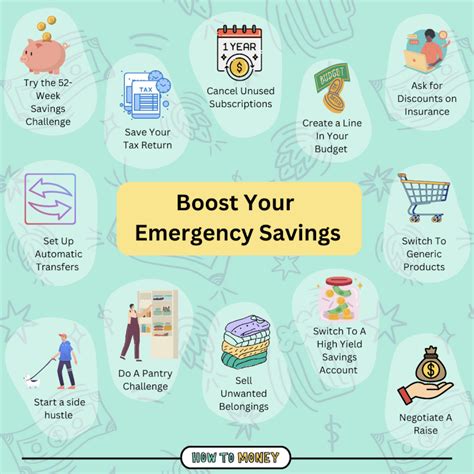
    • The Goal: Aim to have 3 to 6 months of living expenses in a separate, easily accessible High-Yield Savings Account (HYSA). This is your insurance policy that allows your investments to grow uninterrupted.

    3. Define Your Time Horizon

    Money you need in the next 1–3 years (for a wedding, a house down payment, or a vacation) belongs in a savings account or a Certificate of Deposit (CD), not the stock market. The market is volatile in the short term. Investing is for money you can leave untouched for at least 5 to 10 years.


    Part 3: What Are You Actually Buying?

    When you open a brokerage account, you will face a menu of options. Here is a breakdown of the primary assets you need to understand.

    A. Individual Stocks (Equities)

    When you buy a “share” of a company—say, Microsoft or Coca-Cola—you become a partial owner of that business. You are a shareholder.

    • How you make money:
      1. Capital Appreciation: The stock price goes up because the company becomes more valuable.
      2. Dividends: The company distributes a portion of its profits directly to shareholders as cash payments.
    • The Risk: High. If that specific company makes a bad product, faces a lawsuit, or goes bankrupt, your investment tanks.

    B. Bonds

    When you buy a bond, you are essentially lending money to a government or a corporation. In return, they pay you interest (a “coupon”) and eventually pay back the loan amount.

    • The Risk: Generally lower than stocks. Bonds are often used to stabilize a portfolio.

    C. Exchange Traded Funds (ETFs) and Index Funds

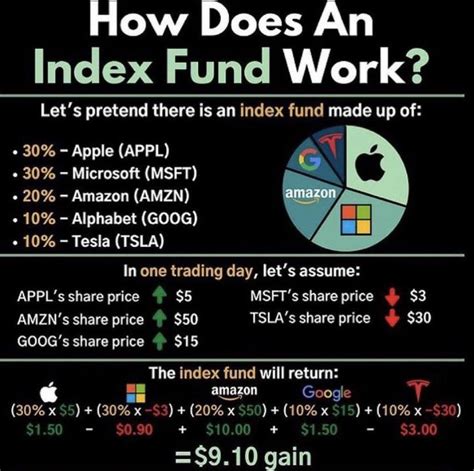
    This is the “sweet spot” for beginners. Instead of trying to pick the one “winning” stock (which is incredibly difficult, even for professionals), you buy a basket of stocks.

    • How it works: An Index Fund tracks a specific market segment. For example, an S&P 500 Fund buys small pieces of the 500 largest companies in the US.
    • The Benefit: Instant diversification. If one company in the basket fails, you have 499 others to prop you up. You get the average return of the market, which historically beats most professional stock pickers.

    Part 4: Developing Your Strategy

    Now that you know what to buy, you need a strategy for how to buy it. The best strategy for beginners is boring, repetitive, and highly effective.

    The Power of Dollar-Cost Averaging (DCA)

    New investors often obsess over “timing the market.” They try to buy at the lowest possible price and sell at the highest. This is a fool’s errand; nobody knows what the market will do tomorrow.

    Instead, use Dollar-Cost Averaging. This involves investing a fixed amount of money at regular intervals, regardless of the share price.

    • Example: You invest $200 on the 15th of every month.
      • Month 1: Prices are high. Your $200 buys 2 shares.
      • Month 2: Prices crash. Your $200 buys 4 shares.
      • Month 3: Prices stabilize. Your $200 buys 3 shares.
    • The Result: You automatically buy more shares when they are “on sale” and fewer when they are expensive. This lowers your average cost per share over time and removes the emotional stress of watching stock tickers.

    The Magic of Compound Interest

    Albert Einstein reportedly called compound interest the “eighth wonder of the world.” Compounding is what happens when your earnings generate their own earnings.

    • Year 1: You invest $1,000 and make 10% ($100). You now have $1,100.
    • Year 2: You make 10% again. But now, you make 10% on $1,100, which is $110.
    • Year 30: That original money has multiplied exponentially, not linearly.Time is your greatest asset. Starting at age 25 gives you a massive advantage over starting at age 35, simply because your money has ten extra years to compound.

    Part 5: How to Execute (Step-by-Step)

    Step 1: Choose a Brokerage Account

    You need a platform to buy and sell.

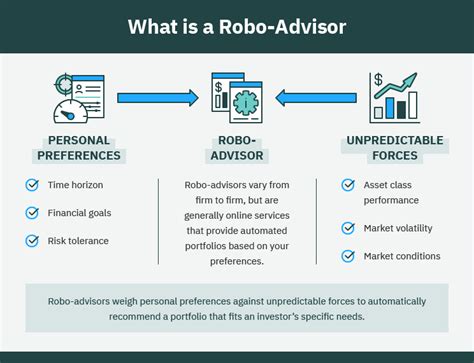
    • Robo-Advisors (e.g., Betterment, Wealthfront): These are “set it and forget it.” You answer a quiz about your risk tolerance, and an algorithm builds and manages a portfolio for you for a small fee.
    • Discount Brokers (e.g., Fidelity, Vanguard, Schwab): These allow you to buy stocks and ETFs yourself. Look for platforms with zero trading commissions and no account minimums.

    Step 2: Open the Account

    This is usually as simple as opening a bank account. You will need to provide identification and link a funding source (your checking account).

    Step 3: Select Your Investment (The “Three-Fund Portfolio”)

    You don’t need to complicate things. A popular strategy is the “Three-Fund Portfolio,” which covers the entire world:

    1. Total US Stock Market Index Fund: Covers all US companies.
    2. Total International Stock Market Index Fund: Covers companies outside the US.
    3. Total Bond Market Fund: Provides stability (add more bonds as you get older/closer to retirement).

    Note: Many beginners start with just an S&P 500 ETF or a “Total World” ETF for simplicity.

    Step 4: Automate It

    Go into your brokerage settings and set up an automatic transfer and purchase. For example: “Transfer $100 every payday and buy [Chosen ETF].” This removes the temptation to spend the money elsewhere.


    Part 6: The Psychological Barrier

    The hardest part of investing is not the math; it is the psychology.

    Managing Volatility

    The stock market is volatile. In 2008 and 2020, the market dropped significantly. When this happens, human nature screams, “Sell everything before I lose it all!” This is the wrong move. You only lose money if you sell. If you hold through the crash, you still own the same number of shares, and historically, the market eventually recovers and reaches new highs.

    • Mantra: “Time in the market beats timing the market.”

    Avoiding FOMO (Fear Of Missing Out)

    You will hear stories of people getting rich overnight on “meme stocks” or the latest trendy cryptocurrency. It is tempting to chase these trends. Resist. Boring investing is profitable investing. Trying to chase the “next big thing” usually results in buying at the top and losing money when the hype dies down. Stick to your index funds and your long-term plan.


    Conclusion: The Best Day to Plant a Tree

    There is a Chinese proverb that says: “The best time to plant a tree was 20 years ago. The second best time is today.”

    Investing works the same way. You may wish you had bought Amazon stock in 1997, but dwelling on the past won’t build your future wealth. The barrier to entry has never been lower. You can start with $50, $20, or even $5 thanks to fractional shares.

    The path to financial independence is not a sprint; it is a marathon. It requires patience, discipline, and the courage to start. By following the steps in this guide—building your safety net, choosing diversified funds, automating your contributions, and ignoring the noise—you are taking control of your financial destiny.

  • Dividend Investing 101: How to Build a Passive Income Portfolio

    The idea of making money while you sleep is the ultimate financial goal for many. While “passive income” is often thrown around as a buzzword, dividend investing is one of the few legitimate, time-tested ways to achieve it. It isn’t a “get rich quick” scheme; it is a “get rich sure” strategy based on patience, compounding, and ownership.

    This guide covers the fundamentals of dividend investing and how you can start building a portfolio that pays you just for holding it.


    What is Dividend Investing?

    When you buy a stock, you become a partial owner of that company. If the company is profitable, the board of directors may decide to share a portion of those profits with the shareholders. This payment is called a dividend.

    Dividend investing is the strategy of buying shares in companies that pay regular cash dividends and holding them long-term to generate a steady stream of income.

    The Analogy: Think of dividend stocks like a rental property. You buy the house (the stock), and the tenants pay you rent (dividends). However, unlike a landlord, you don’t have to fix a leaky roof at 3 AM.

    Why Choose This Strategy?

    1. Cash Flow Without Selling: Most investment strategies require you to sell your asset (the stock) to realize a profit. With dividends, you get paid cash while still owning the asset.
    2. ** The “Snowball Effect”:** If you reinvest your dividends to buy more shares, those new shares pay you dividends, which buys even more shares. Albert Einstein reportedly called compound interest the “eighth wonder of the world.”
    3. Inflation Hedge: Quality companies tend to increase their dividend payouts annually. If your dividend grows by 5% and inflation is 3%, your purchasing power actually increases.

    Key Metrics: The Terminology You Must Know

    Before buying your first stock, you need to understand three specific metrics to evaluate safety and potential.

    1. Dividend Yield

    This is the annual return on investment relative to the stock’s current price.

    • Formula: $\frac{\text{Annual Dividend}}{\text{Stock Price}} \times 100$
    • Example: If a stock costs $100 and pays $4 a year, the yield is 4%.

    2. Payout Ratio

    This tells you how safe the dividend is. It measures the percentage of earnings the company pays out as dividends.

    • Healthy Zone: Generally, a payout ratio of 40% to 60% is considered safe.
    • Warning Zone: If a company pays out 90% or more of its earnings, it has very little cash left to grow the business or handle emergencies. The dividend might be at risk of being cut.

    3. Dividend Growth History

    This looks at the track record. Has the company raised its dividend every year for the last 10, 25, or 50 years? Companies that have increased dividends for 25+ consecutive years are often called “Dividend Aristocrats.”


    Step-by-Step: Building Your Portfolio

    Step 1: Determine Your Goal

    Are you looking for High Yield (cash now) or High Growth (more cash later)?

    • Retirees often prefer high yields (4–6%) from stable utilities or telecom companies to pay bills today.
    • Younger investors should prefer dividend growth (1–3% yield) from tech or healthcare companies where the payout doubles every few years.

    Step 2: Choose Your Vehicle

    You have two main options for buying dividends:

    • Individual Stocks: You pick specific companies (e.g., Coca-Cola, Johnson & Johnson). This requires research but offers no management fees.
    • Dividend ETFs (Exchange Traded Funds): You buy a basket of hundreds of dividend stocks at once (e.g., SCHD, VYM). This provides instant diversification and safety but comes with a small management fee.

    Step 3: Enable “DRIP”

    DRIP stands for Dividend Reinvestment Plan. Most brokerages allow you to toggle this setting on. When a company pays you a dividend, instead of depositing cash into your account, the broker automatically buys fractional shares of that same company. This automates the compounding process.

    Step 4: Avoid the “Yield Trap”

    This is the most common rookie mistake.

    • The Trap: You see a stock paying a massive 12% yield. You rush to buy it.
    • The Reality: The yield is likely high because the stock price has crashed due to business failure. A 12% yield is often a warning sign that the dividend is about to be cut to zero.
    • Rule of Thumb: If the yield is more than 3x the market average, proceed with extreme caution.

    Sample Portfolio Allocation (For Beginners)

    If you want to start simple, consider a “Core and Explore” strategy:

    PercentageAsset TypePurpose
    70%Dividend ETFsBroad market exposure, safety, and automatic diversification.
    20%Dividend AristocratsBlue-chip individual companies with 25+ years of payment increases.
    10%High Yield / REITsReal Estate Investment Trusts (REITs) generally offer higher income but higher risk.

    Conclusion

    Building a passive income portfolio is a marathon, not a sprint. The dividends will seem small at first—perhaps only enough to buy a cup of coffee. But with consistent contributions and the magic of reinvestment, that stream will eventually grow enough to cover a utility bill, then your car payment, and potentially your mortgage.

    Start early, focus on quality over high yield, and let time do the heavy lifting

  • Bull vs. Bear Market: What Every Investor Needs to Know

    Financial markets move in cycles—sometimes rising with optimism, sometimes falling under pressure. These cycles are commonly described using two powerful animals: the bull and the bear. For investors, understanding these market conditions is essential to making informed decisions, managing risk, and maximizing returns.

    This article breaks down what bull and bear markets are, how they happen, what signals to watch for, and how investors can position themselves during each phase.


    What Is a Bull Market?

    bull market occurs when financial markets experience a prolonged period of rising prices—typically 20% or more from recent market lows. It reflects strong investor confidence and optimism about economic conditions.

    Key Characteristics of a Bull Market

    • Stock prices climb steadily
    • Strong economic indicators (GDP growth, low unemployment)
    • High investor confidence
    • Increased corporate earnings
    • Greater risk appetite

    Typical Investor Behavior

    During bull markets, investors are more willing to take risks, buy growth stocks, and invest in emerging industries. Sentiment becomes overwhelmingly positive, often leading to higher trading volume.


    What Is a Bear Market?

    bear market is the opposite—a sustained decline of 20% or more in stock prices from previous highs. It usually signals fear, economic slowdown, or uncertainty.

    Key Characteristics of a Bear Market

    • Falling stock prices
    • Weak economic indicators
    • Declining corporate profits
    • Low consumer spending
    • Higher volatility

    Typical Investor Behavior

    Investors tend to become cautious, shifting to safer assets such as bonds, cash, or defensive stocks. Panic selling often accelerates the decline.


    Why Do Bull and Bear Markets Happen?

    Market cycles are influenced by multiple factors, including:

    1. Economic Conditions

    • Expansions lead to bull markets.
    • Recessions often trigger bear markets.

    2. Interest Rates

    Lower rates encourage borrowing and investing (bullish).
    Higher rates can slow growth and reduce spending (bearish).

    3. Corporate Performance

    Strong earnings push prices up, while weak earnings send markets down.

    4. Global Events

    Wars, pandemics, supply chain disruptions, and political instability can trigger bearish sentiment.

    5. Investor Psychology

    Fear and greed play huge roles.
    Confidence pushes markets higher; panic pushes them lower.


    Major Differences at a Glance

    AspectBull MarketBear Market
    Market TrendRising pricesFalling prices
    Investor SentimentOptimisticFearful
    Economic IndicatorsStrongWeak
    Trading ActivityHighCautious
    Risk AppetiteHigherLower
    Best StrategiesBuy growth, ride momentumPreserve capital, defensive stocks

    How Investors Can Navigate a Bull Market

    A bull market presents great opportunities—but also risks of becoming too confident.

    1. Ride Momentum Carefully

    Growth stocks and tech sectors often outperform during bull cycles.

    2. Don’t Chase Overpriced Assets

    Even in bullish conditions, valuations can become inflated.

    3. Diversify Strategically

    Keep exposure across different industries and asset classes to reduce risk.

    4. Stick to a Long-Term Plan

    Avoid making impulsive decisions just because markets are rising.


    How to Survive—and Profit From—a Bear Market

    Bear markets can be uncomfortable, but they also create long-term opportunities.

    1. Avoid Panic Selling

    Selling at the bottom locks in losses. Focus on fundamentals instead.

    2. Shift to Defensive Assets

    Consider:

    • Consumer staples
    • Healthcare stocks
    • Bonds
    • Dividend-paying companies

    3. Dollar-Cost Averaging (DCA)

    Investing a fixed amount regularly reduces timing risk and allows investors to accumulate shares at lower prices.

    4. Rebalance Your Portfolio

    Adjust allocations to maintain risk tolerance.

    5. Look for Undervalued Stocks

    Bear markets often provide discounted entry points for strong companies.


    What Signals a Bull Market Is Coming?

    • Improving economic data
    • Rising corporate earnings
    • Increased consumer confidence
    • Market indices breaking above resistance levels
    • Higher trading volumes

    What Signals a Bear Market Is Coming?

    • Persistent market declines
    • Weak GDP or recession concerns
    • Rising unemployment
    • Declining consumer spending
    • Negative earnings reports
    • Inverted yield curve (a strong recession predictor)

    Long-Term Perspective: Market Cycles Are Normal

    Bull and bear markets are natural parts of investing. Historically, bull markets last longer than bear markets, and markets always recover over the long term.

    Historical Perspective

    • Average bull market length: 4–6 years
    • Average bear market length: 9–18 months

    Understanding this helps investors stay patient and avoid emotional decisions.


    Final Thoughts

    Knowing the difference between bull and bear markets helps investors make smarter decisions, manage risk effectively, and stay calm during volatile periods. Whether markets surge or decline, maintaining a disciplined, long-term investment strategy is the key to sustained success.

  • 7 Common Trading Mistakes That Are Killing Your Profits

    In the world of trading—whether stocks, crypto, forex, or commodities—skill isn’t just about finding winning setups. Often, what separates profitable traders from losing ones is the ability to avoid mistakes. Even traders with strong strategies can see their profits evaporate due to psychological pitfalls, poor planning, or lack of discipline.

    If you’ve ever wondered why your account keeps dipping even when you “should” be winning, this guide will help you identify the most common trading mistakes—and how to fix them before they cost you more money.


    1. Trading Without a Clear Plan

    Entering trades based on intuition, vibes, or social media tips is one of the fastest ways to destroy your capital. A trading plan should outline:

    • Entry criteria
    • Exit rules
    • Risk per trade
    • Ideal market conditions
    • Position sizing

    Without a plan, you’re trading emotionally—not strategically. And emotional trading almost always leads to unnecessary losses.

    Solution:
    Create a written trading plan and follow it strictly. Review and refine it regularly.


    2. Overtrading (Trading Too Often)

    Many traders lose money simply because they trade too much. Overtrading usually happens when:

    • You’re chasing losses
    • You’re bored and want action
    • You feel pressure to “do something”

    The more you trade without solid setups, the higher the risk exposure—and the faster fees, spreads, and bad decisions eat your profits.

    Solution:
    Trade quality, not quantity. If there’s no setup, do nothing.


    3. Ignoring Risk Management

    Even the best strategy will fail if your risk management is terrible. Common risk mistakes include:

    • Risking too much per trade
    • Not using stop-losses
    • Adding to losing positions
    • Trading oversized lots

    Good traders protect their capital. Great traders treat risk management as the heart of their strategy.

    Solution:
    Risk no more than 1–2% of your account per trade and always use stop-losses.


    4. Letting Emotions Control Your Decisions

    Fear, greed, FOMO, and revenge trading can destroy your account faster than any bad market condition. Typical emotional trading behaviors include:

    • Closing winners too early
    • Holding losers too long
    • Entering impulsive trades
    • Chasing runaway prices

    You can have the best technical skills in the world, but if your emotions rule your decisions, you’ll struggle to stay profitable.

    Solution:
    Use rules-based trading. Journal your trades to identify emotional patterns.


    5. Not Keeping a Trading Journal

    If you’re not tracking your actions, you’re not learning from them. A trading journal helps you understand:

    • What strategies work
    • What setups fail
    • Which emotional patterns affect you
    • Your consistency over time

    Most losing traders repeat the same mistakes because they don’t record their behavior.

    Solution:
    Document every trade: entry, reason, emotion level, outcome, and lessons learned.


    6. Ignoring Market Conditions

    Many traders treat every market the same. But strategies that work in a trending market may fail in a choppy or ranging market. If you ignore overall market conditions like:

    • Volatility
    • Liquidity
    • Market structure
    • Economic news

    …you risk entering trades during unstable or unpredictable environments.

    Solution:
    Analyze the market first. Choose strategies that fit the current conditions—not the other way around.


    7. Relying Too Much on Indicators

    Indicators are tools—not signals to buy or sell blindly. Many new traders overload their charts with too many indicators, hoping they’ll reveal the “perfect” entry.

    This leads to:

    • Confirmation bias
    • Confusion
    • Delayed decision-making
    • Contradicting signals

    Indicators should support your strategy, not replace your analysis.

    Solution:
    Keep it simple. Use 1–3 indicators max, and focus more on price action.


    Final Thoughts: Success Comes from Avoiding Mistakes

    Profitability in trading doesn’t happen overnight. It requires discipline, consistency, and awareness. By avoiding these seven common mistakes, you’ll protect your capital and significantly improve your long-term results

  • Dollar-Cost Averaging (DCA): A Smart Investing Strategy for Long-Term Success

    Investing in financial markets can feel intimidating—prices move unpredictably, news changes fast, and emotions often influence decision-making. One approach that helps simplify the process, especially for beginners and long-term investors, is Dollar-Cost Averaging (DCA). This strategy has been used for decades as a method to reduce risk, build discipline, and grow wealth over time.

    In this article, we explore what DCA is, how it works, why it benefits investors, and how you can start applying it to stocks, crypto, ETFs, and other investment assets.


    What Is Dollar-Cost Averaging (DCA)?

    Dollar-Cost Averaging is an investment strategy where you invest a fixed amount of money into an asset at regular intervals, regardless of the asset’s price. Instead of trying to “time the market,” you invest consistently—weekly, biweekly, or monthly.

    Example

    If you invest $100 every month into a stock:

    • When the price is high, you buy fewer shares.
    • When the price is low, you buy more shares.

    Over time, your average purchase price becomes balanced, reducing the impact of market volatility.

    DCA is especially popular among investors who want to grow wealth steadily without needing to constantly monitor the market.


    Why Dollar-Cost Averaging Works

    Market timing—trying to buy low and sell high—is extremely difficult, even for professional investors. Prices might rise or fall unexpectedly, and acting on emotion often leads to mistakes.

    DCA works because it:

    • Removes emotional decision-making
    • Encourages consistent investing
    • Mitigates the risk of buying at the wrong time
    • Makes long-term growth more achievable

    By spreading your investments over time, you naturally reduce the risk of entering the market during a peak.


    How DCA Helps Reduce Market Volatility Impact

    Markets move in cycles. Some months asset prices surge; other months they fall. With DCA, the ups and downs are smoothed out.

    When Prices Are High

    Your fixed contribution buys fewer units.
    This protects you from overpaying.

    When Prices Are Low

    You acquire more units for the same amount of money.
    This increases your long-term portfolio potential.

    As a result, you accumulate more shares during dips, lowering your overall cost and improving long-term returns.


    Advantages of Using DCA

    Dollar-Cost Averaging is popular because it provides multiple benefits for investors of all experience levels.

    1. Reduces Emotional Decisions

    Fear and greed often push investors to make poor choices. DCA eliminates the need to guess the right buying moment.

    2. Easy to Implement

    Most investment platforms allow automated recurring purchases—perfect for busy investors.

    3. Minimizes the Impact of Market Timing

    Buying regularly ensures that you aren’t entering the market all at once at a potentially high point.

    4. Encourages Financial Discipline

    A structured schedule builds a healthy investment habit, similar to saving money automatically.

    5. Ideal for Long-Term Growth

    For retirement accounts, index funds, ETFs, and even crypto, DCA supports slow and steady accumulation.


    Disadvantages of DCA (And How to Deal With Them)

    While DCA has several benefits, it’s important to understand its limitations.

    1. Potentially Lower Returns in Strong Bull Markets

    If the market rises consistently, investing all your money upfront might perform better.
    Solution: Combine DCA with lump-sum investing for high-confidence assets.

    2. Requires Long-Term Commitment

    DCA works best over months or years, not weeks.
    Solution: Treat it as a multi-year strategy.

    3. Fees Can Add Up

    Frequent investments mean more transaction fees if your broker charges per trade.
    Solution: Use commission-free platforms or reduce investment frequency.

    Despite these drawbacks, DCA remains one of the simplest and most practical investing strategies for long-term investors.


    When Should You Use Dollar-Cost Averaging?

    DCA is especially effective when:

    1. You Are a Beginner Investor

    It removes pressure and keeps investing simple.

    2. Markets Are Volatile

    During unpredictable times, spreading out investments minimizes risk.

    3. You Expect Long-Term Growth

    Ideal for assets like:

    • S&P 500 index funds
    • Blue-chip stocks
    • Bitcoin and top cryptocurrencies
    • Real estate investment trusts (REITs)
    • Mutual funds and ETFs

    4. You Receive a Monthly Salary

    Allocating a portion of your income automatically each month makes wealth-building effortless.


    How to Start Using DCA: Step-by-Step Guide

    Implementing DCA is easier than most people think.

    Step 1: Choose the Asset You Want to Invest In

    Pick long-term assets with strong fundamentals.
    Examples:

    • Index funds like S&P 500
    • Large-cap stocks
    • ETFs (technology, healthcare, energy, etc.)
    • Cryptocurrencies like BTC or ETH
    • REITs

    Step 2: Decide How Much to Invest

    This depends on your budget. Many investors start with:

    • $50 weekly
    • $100 monthly
    • 10% of monthly income

    Step 3: Set a Fixed Schedule

    Consistency is key.
    Choose:

    • Weekly
    • Biweekly
    • Monthly

    Step 4: Automate Your Investments

    Most brokers offer automation options. Once set up, DCA runs on autopilot.

    Step 5: Stick to the Plan

    Avoid stopping based on emotions. DCA works best when followed through the ups and downs.

    Step 6: Review Every 6–12 Months

    Adjust amount, asset allocation, or diversify based on financial goals.


    DCA Example: Simple Calculation

    Let’s say you invest $100 per month into a stock for four months.

    MonthStock PriceAmount InvestedShares Bought
    Jan$10$10010 shares
    Feb$20$1005 shares
    Mar$5$10020 shares
    Apr$10$10010 shares

    Total Invested: $400

    Total Shares: 45 shares

    Average Cost: $400 / 45 = $8.89 per share

    Even though prices fluctuated, DCA lowered your average cost below the initial price of $10.


    DCA in the Stock Market vs. Cryptocurrency Market

    Stock Market

    DCA works extremely well for:

    • Index funds
    • Large, stable companies
    • ETFs

    These assets have long-term upward trends, making consistent buying effective.

    Cryptocurrency

    The crypto market is much more volatile.
    DCA helps investors:

    • Avoid emotional trading
    • Buy more during crashes
    • Build long-term positions in high-potential assets

    Bitcoin, in particular, has shown strong historical results for DCA strategies.


    Is DCA Better Than Lump-Sum Investing?

    There is no universal answer—each approach has advantages.

    Lump-Sum Investing

    Best when:

    • Market is undervalued
    • You already have a large amount of money
    • You want faster potential growth

    Dollar-Cost Averaging

    Best when:

    • Markets are volatile
    • You want to minimize risk
    • You’re investing monthly income
    • You want emotional stability

    Many investors combine both strategies for balanced risk and return.


    Common Mistakes to Avoid When Using DCA

    To maximize DCA benefits, avoid these common errors:

    1. Stopping During Market Crashes

    A downturn is when DCA is most powerful.

    2. Choosing Poor-Quality Assets

    DCA cannot fix fundamentally weak or declining investments.

    3. Not Following a Plan

    Random deposits do not count as DCA—consistency matters.

    4. Not Reinvesting Dividends

    Dividends boost long-term compounding.

    5. Ignoring Portfolio Rebalancing

    Review allocations regularly to align with financial goals.


    Conclusion: Why DCA Is One of the Best Strategies for Long-Term Investors

    Dollar-Cost Averaging is more than just a method of investing—it’s a disciplined approach that promotes consistency, reduces emotional mistakes, and helps investors build wealth over time. Whether markets rise or fall, DCA keeps your strategy stable and predictable.

    By investing a fixed amount on a regular schedule, you:

    • Benefit from market dips
    • Reduce timing risks
    • Build strong long-term habits
    • Grow your portfolio steadily

    For new investors, busy professionals, or anyone seeking long-term financial success, DCA is one of the most reliable and beginner-friendly strategies available.

  • How to Start a Digital Marketing Agency with Zero Investment

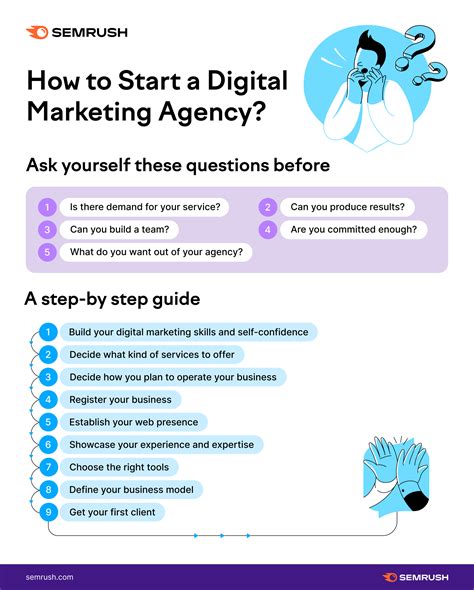
    Starting a business usually requires capital, but in 2025, thanks to technology and digital platforms, it’s possible to launch a digital marketing agency with zero investment. Whether you’re a student, freelancer, or someone in a career transition, this guide will show you exactly how to get started without spending a dime.

    Start Digital Marketing Agency 2025

    Step 1: Build Skill, Not Infrastructure

    You don’t need a fancy office, business cards, or even a team to begin. All you need is skill in core areas like SEO, social media marketing, content writing, email marketing, or paid ads.

    • Use free courses on Coursera, HubSpot, Google Skillshop
    • Practice on your own LinkedIn or Instagram profile
    • Help a local business or a friend for free in exchange for testimonials

    Step 2: Create a Personal Brand

    Clients don’t hire agencies; they hire people they trust. Start posting value-driven content on LinkedIn, Twitter, or Instagram showcasing your expertise. Position yourself as a problem solver in marketing.

    Personal Branding

    Step 3: Offer Services as a Freelancer

    Start by offering services on freelance platforms like Fiverr, Upwork, or directly via cold outreach. Don’t build a website yet—use LinkedIn or your free portfolio on Notion or Canva.

    • SEO audits
    • Instagram content strategy
    • Email newsletter copywriting
    • Google/Facebook ad campaign setup

    Step 4: Use Free Tools to Deliver Work

    You don’t need premium tools to start delivering professional work. Use these free versions until you scale:

    • Canva – for content design
    • MailerLite – for email marketing
    • Google Analytics/Search Console – for website insights
    • Buffer or Later – for scheduling social media
    Free Marketing Tools

    Step 5: Convert Freelance Work into an “Agency”

    Once you have 2–3 satisfied clients, shift the narrative. Instead of “I,” start using “we.” Collaborate with other freelancers on a per-project basis to handle more work while maintaining quality.

    Create a simple landing page using Notion, Wix, or WordPress.com (free plan) showcasing your service packages and client results.

    Step 6: Find Clients Without Spending Money

    There are many free ways to attract clients without ads:

    • Answer marketing-related questions on Quora/Reddit
    • DM founders on LinkedIn with tailored value offers
    • Join Facebook groups for startups and entrepreneurs
    • Offer to fix one issue on their website/social presence
    Find Clients for Free

    Bonus: What Services to Offer (Low Cost, High Demand)

    You don’t need to be a jack-of-all-trades. Focus on high-demand services that require low overhead:

    • Content marketing
    • Instagram Reels editing
    • Email newsletter strategy
    • SEO content writing
    • Running Facebook/Google Ads

    Quick Checklist: Zero-Investment Agency Starter Kit

    • ✔️ Learn digital marketing from free courses
    • ✔️ Create a strong social media presence
    • ✔️ Deliver freelance projects for testimonials
    • ✔️ Build a portfolio using free tools
    • ✔️ Collaborate with other freelancers
    • ✔️ Convert one-off projects into monthly retainers
    Start Agency with No Money

    Conclusion

    You don’t need a budget to start a digital marketing agency in 2025. You need initiative, learning, and hustle. Start solo, learn fast, and collaborate smart. Many seven-figure agencies today started on a laptop with nothing but a Canva login and a LinkedIn account. Yours could be next.

    Want templates, outreach scripts, and toolkits? Subscribe and get our free agency starter pack!

  • Cryptocurrency vs. Real Estate: Where Should You Invest in 2025?

    In 2025, investors—especially beginners—are facing a tough choice: Should you invest in something cutting-edge like cryptocurrency or stick to a time-tested asset like real estate?

    Cryptocurrency is known for explosive gains, decentralization, and digital innovation. On the other hand, real estate offers tangible assets, steady cash flow, and long-term security. Both have produced millionaires. Both come with risks. So how do you decide which is right for you?

    This guide explores the pros, cons, risks, and returns of crypto and real estate in 2025 to help you make an informed investment decision.

    Crypto vs Real Estate

    Cryptocurrency in 2025: The New-Age InvestmentWhat is Cryptocurrency?

    Cryptocurrency is a decentralized form of digital currency built on blockchain technology. Bitcoin, Ethereum, and thousands of altcoins now form a multi-trillion-dollar market.

    Cryptocurrency 2025

    Pros of Investing in Cryptocurrency

    • High potential returns
    • 24/7 liquidity
    • Easy accessibility via apps and exchanges
    • Decentralized structure with no central authority
    • Can serve as a hedge against inflation

    Cons of Investing in Cryptocurrency

    • Highly volatile markets
    • Security concerns including hacking and scams
    • Regulatory uncertainty
    • Emotional trading decisions based on hype

    Real Estate in 2025: A Traditional Asset with Modern Appeal

    Why Real Estate Still Matters

    Real estate continues to be a cornerstone of wealth generation. From family homes to rental units and commercial buildings, it provides steady returns and physical assets.

    Real Estate Investment 2025

    Pros of Investing in Real Estate

    • Tangible, physical asset
    • Generates consistent rental income
    • Offers tax advantages
    • Can be leveraged through financing
    • Historically appreciates over time

    Cons of Investing in Real Estate

    • High entry cost
    • Low liquidity
    • Maintenance and property management required
    • Market conditions vary by location
    • Vulnerable to interest rate changes

    Side-by-Side Comparison: Crypto vs. Real Estate

    CriteriaCryptocurrencyReal Estate
    LiquidityHigh (24/7 trading)Low (longer selling process)
    VolatilityVery highLow to moderate
    AccessibilityEasy with mobile appsModerate (legal and financial setup)
    Passive IncomeStaking/yield farmingRental income
    Capital RequiredLow (start with $10)High (typically needs down payment)
    SecurityProne to cyber risksInsurable and tangible

    Use Case Scenarios

    26-Year-Old Freelancer

    Goal: Build wealth using small monthly investments
    Choice: Invests $200/month in Bitcoin and Ethereum
    Why: High growth potential and easy entry

    40-Year-Old Couple

    Goal: Passive income and retirement planning
    Choice: Purchases a duplex and rents one unit
    Why: Steady cash flow, tax savings, and security

    👨‍💼 35-Year-Old Entrepreneur

    Goal: Diversification
    Choice: 60% real estate and 40% crypto
    Why: Balanced strategy to manage risk and growth

    2025 Investment Trends

    Crypto

    • Growing government regulation
    • Rise of tokenized assets like real estate NFTs
    • Increased DeFi opportunities
    • Launch of Central Bank Digital Currencies (CBDCs)

    Real Estate

    • Fractional ownership via apps and platforms
    • Smart and automated property management
    • Green/eco-certified properties gaining popularity
    • REITs attracting passive investors

    Which One Should You Choose?

    It depends on your financial goals, risk tolerance, and investment horizon. Consider the table below for guidance:

    Investor GoalRecommended Investment
    High liquidity and low capitalCryptocurrency
    Steady cash flow and tax savingsReal Estate
    Long-term growth and stabilityReal Estate
    High-risk, high-reward potentialCryptocurrency
    DiversificationBoth

    Conclusion

    In 2025, cryptocurrency and real estate both offer compelling reasons to invest. Crypto brings speed, accessibility, and high returns—but with greater volatility. Real estate offers long-term growth, stability, and passive income—but needs more capital and patience.

    The smartest approach? Consider blending both into your portfolio. Let crypto bring fast gains and let real estate build steady wealth.

  • Best CRM Tools for Small Businesses in 2025

    Customer relationships are the heart of any small business—and in 2025, managing those relationships requires more than spreadsheets and sticky notes. Enter CRM (Customer Relationship Management) tools, which help small businesses organize leads, automate follow-ups, close sales faster, and improve customer satisfaction.

    But with dozens of CRMs available, which ones actually deliver value for small businesses without breaking the bank?

    We’ve reviewed the top CRM tools for 2025 based on ease of use, pricing, features, and scalability. Whether you’re a solopreneur or a growing team, there’s something for everyone in this list.

    Best CRM Tools 2025

    1. HubSpot CRM – Best Free CRM for Startups

    HubSpot’s free plan makes it a go-to choice for startups. It includes contact management, email tracking, deal pipelines, forms, and integrations—all with a friendly UI.

    • Pricing: Free (paid upgrades available)
    • Best for: Freelancers, startups, consultants

    2. Zoho CRM – Best All-in-One CRM for Small Teams

    Zoho offers a powerful set of features like lead scoring, workflows, and analytics—all at very affordable pricing. Great for teams needing custom modules.

    • Pricing: Starts at $14/month per user
    • Strengths: Automation, integrations, affordability
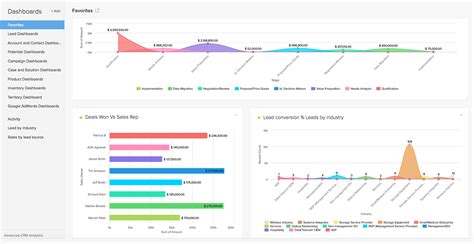
    Zoho CRM Dashboard

    3. Salesforce Essentials – Best for Growing Startups

    Salesforce is a beast, but the Essentials plan makes it small-business friendly. You get pipeline tracking, automation, and access to the Salesforce ecosystem.

    • Pricing: $25/month per user
    • Best for: Scaling companies that need flexibility

    4. Pipedrive – Best CRM for Sales-Focused Teams

    Pipedrive’s visual pipeline management and drag-and-drop simplicity make it a favorite for sales teams. It’s incredibly easy to set up and use.

    • Pricing: Starts at $14.90/month per user
    • Highlights: Sales automation, reporting, mobile app

    5. Freshsales – Best AI-Powered CRM

    Freshsales (from Freshworks) uses AI to score leads and automate tasks. It’s especially useful for businesses doing outreach via email, phone, or chat.

    • Pricing: Free for basic use, paid starts at $15/month
    • Great for: Inbound/outbound teams looking for automation
    Freshsales CRM AI

    6. Monday Sales CRM – Best for Custom Workflows

    Monday.com’s CRM system is highly visual and customizable. Perfect for teams that want to track more than just deals—projects, tasks, and marketing too.

    • Pricing: Starts at $10/month per user
    • Use case: Agencies, remote teams, project-focused companies

    7. Insightly – Best CRM + Project Management Combo

    Insightly offers a powerful blend of CRM and project tracking. It’s great for companies that want to manage sales and post-sale activities in one tool.

    • Pricing: Starts at $29/month per user
    • Ideal for: Service-based businesses, consultancies

    8. Keap (Infusionsoft) – Best for Automation

    Keap is built for automating customer journeys—from lead capture to nurturing to conversion. It’s particularly useful for coaches, agencies, and marketers.

    • Pricing: Starts at $129/month
    • Note: High learning curve, but powerful once set up
    Keap CRM Automation

    💼 What to Look for in a CRM for Small Businesses

    Before choosing a CRM, consider:

    • Ease of Use: Can your team use it without tons of training?
    • Automation: Does it reduce manual tasks like follow-ups or deal tracking?
    • Integrations: Will it work with your existing tools (e.g., Gmail, Zoom, Stripe)?
    • Mobile Access: Can your sales team use it on the go?
    • Scalability: Can the CRM grow with your business?

    📊 Quick Comparison Table

    CRMBest ForStarting PriceKey Feature
    HubSpotStartupsFreeEase of use, integrations
    Zoho CRMSmall teams$14/monthCustom modules, automation
    Salesforce EssentialsGrowing businesses$25/monthEnterprise-level power
    PipedriveSales reps$14.90/monthVisual pipeline

    Conclusion

    The right CRM can transform your small business by helping you stay organized, close more deals, and deliver better service. Whether you’re just getting started or ready to scale, there’s a CRM on this list that can meet your needs in 2025.

    Test the free trials, compare features, and choose the one that fits your workflow—not the other way around.

  • Best Life Insurance Plans in the USA – 2025 Edition

    When it comes to financial security, life insurance remains one of the most critical tools for protecting your loved ones. In 2025, with inflation, rising healthcare costs, and uncertain job markets, having the right life insurance policy can give peace of mind like nothing else.

    But with so many options—term life, whole life, universal life—how do you know which policy is best for you?

    In this guide, we break down the top life insurance plans available in the USA in 2025, compare their features, pros and cons, and help you decide which one fits your lifestyle and budget.

    Best life insurance 2025 USA

    1. Haven Life – Best for Term Life Insurance

    Haven Life, backed by MassMutual, offers simple, affordable term life insurance online—no medical exam for many applicants under 45.

    • Coverage: $250,000 to $3 million
    • Term Length: 10–30 years
    • Best For: Tech-savvy individuals and young families

    2. Northwestern Mutual – Best for Whole Life Coverage

    Northwestern Mutual offers strong whole life policies with dividends, guaranteed cash value growth, and high financial strength.

    • Pros: Long-standing reputation, top-rated customer service
    • Cons: Higher premiums compared to term policies
    Whole Life Insurance

    3. Ladder Life – Best for High Coverage Amounts

    Ladder is ideal for people looking for flexible term life insurance with higher coverage limits (up to $8 million) and the ability to “ladder” coverage up or down.

    • Best For: Entrepreneurs, high-net-worth individuals
    • Application: 100% online with fast approvals

    4. State Farm – Best for Personalized Service

    With thousands of local agents, State Farm combines digital ease with personal service. They offer both term and permanent life insurance options.

    • Best For: People who prefer in-person consultations
    • Bonus: May include living benefits

    5. Ethos Life – Best for No-Medical-Exam Policies

    Ethos offers quick-issue term policies with zero medical exams in most cases. It’s all done online, making it perfect for busy people or those with minor health conditions.

    • Coverage: Up to $2 million
    • Best For: Applicants who want fast approval
    No Medical Exam Insurance

    6. New York Life – Best for Customizable Policies

    New York Life has a century-long legacy and offers term, whole, universal, and variable life insurance. They’re known for custom plans and strong cash value growth.

    • Great For: Long-term planners and those looking for investment + insurance

    7. USAA – Best for Military Families

    USAA serves military members and their families with competitive rates, great customer support, and flexible options tailored for deployment and veteran life transitions.

    • Eligibility: Military personnel and family members
    • Coverage: Up to $10 million

    8. Mutual of Omaha – Best for Final Expense Insurance

    Looking for small coverage amounts to handle funeral expenses? Mutual of Omaha specializes in affordable, guaranteed-acceptance final expense policies.

    • No health questions required for basic plans
    • Perfect for seniors aged 50–85
    Final Expense Life Insurance

    How to Choose the Right Life Insurance Plan in 2025

    Here are key things to consider before buying a policy:

    • Coverage Needs: How much money would your family need if you weren’t around?
    • Policy Type: Term is cheaper and simpler; Whole Life is for long-term planning
    • Company Reputation: Always check financial strength ratings (A.M. Best, Moody’s, etc.)
    • Riders & Features: Look for living benefits, waiver of premium, child riders, etc.

    Term vs. Whole Life – What’s Right for You?

    FeatureTerm LifeWhole Life
    Duration10–30 yearsLifetime
    PremiumsLowerHigher
    Cash ValueNoYes
    Best ForBudget-conscious individualsLong-term wealth planners

  • Top 10 Investment Strategies for Beginners in 2025

    If you’ve been thinking about growing your money instead of just saving it, you’re not alone. With rising inflation, a fluctuating job market, and an increasing cost of living, investing is no longer a luxury—it’s a necessity.

    For beginners, the idea of putting your hard-earned money into the stock market, mutual funds, or real estate can feel overwhelming. Where do you start? What’s safe? How much should you invest?

    The good news? You don’t need to be a financial expert or have thousands of dollars to begin. In fact, 2025 has brought more beginner-friendly investment tools and platforms than ever. This guide breaks down 10 smart, low-risk strategies to kickstart your investment journey.

    1. Set Clear Financial Goals

    Before investing, define your “why.” Are you saving for a home? Planning early retirement? Creating long-term wealth?

    Setting clear goals helps determine:

    • Your risk tolerance
    • Ideal investment timeline
    • Asset types to choose

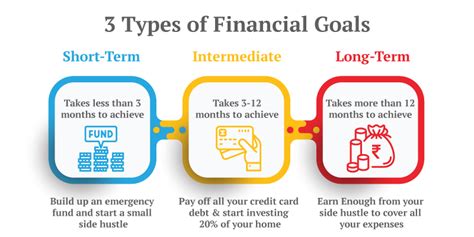
    Pro Tip: Break your goals into short-term (1–3 years), medium-term (3–7 years), and long-term (7+ years).

    financial goals

    2. Build an Emergency Fund First

    Before you invest, secure your foundation. An emergency fund protects you from life’s unexpected surprises—like medical bills or sudden job loss.

    Recommended amount: 3 to 6 months of essential living expenses

    Where to store it?

    • High-yield savings accounts
    • Liquid mutual funds
    • Money market accounts
    emergency fund

    3. Start with Index Funds or ETFs

    Don’t try to pick the next Amazon. Instead, start with index funds or exchange-traded funds (ETFs)—diverse bundles of stocks that track a specific index like the S&P 500 or Nifty 50.

    Why they’re beginner-friendly:

    • Diversified = lower risk
    • Low fees
    • Consistent historical returns

    Popular platforms: Vanguard, Zerodha, Groww, Robinhood

    index funds and ETFs

    4. Use Robo-Advisors for Automated Investing

    No time or expertise? Robo-advisors do the work for you.

    You answer a few questions, and the platform builds and manages your portfolio using algorithms.

    Benefits:

    • Start with low amounts
    • Automatic rebalancing
    • Lower fees than traditional advisors

    Try: Betterment, INDmoney, Wealthfront

    robo advisor investing

    5. Take Advantage of Retirement Accounts

    The earlier you invest in retirement, the bigger your gains thanks to compounding.

    Tax-saving accounts by country:

    • USA: Roth IRA, 401(k)
    • India: PPF, NPS
    • UK: ISA
    • Canada: RRSP, TFSA

    Even $50/month invested early can turn into six figures by retirement.

    retirement investment

    6. Invest in Fractional Shares or SIPs

    Don’t have thousands to invest? No problem.

    With fractional shares, you can invest in big companies like Apple or Tesla with just a few dollars. In India, use Systematic Investment Plans (SIPs) to invest monthly in mutual funds.

    Why it works:

    • Builds consistency
    • Removes market timing stress
    • Great for tight budgets
    fractional shares and SIPs

    7. Diversify Across Asset Classes

    Don’t put all your eggs in one basket.

    Diversifying means spreading your money across different types of investments, so your portfolio doesn’t sink if one area crashes.

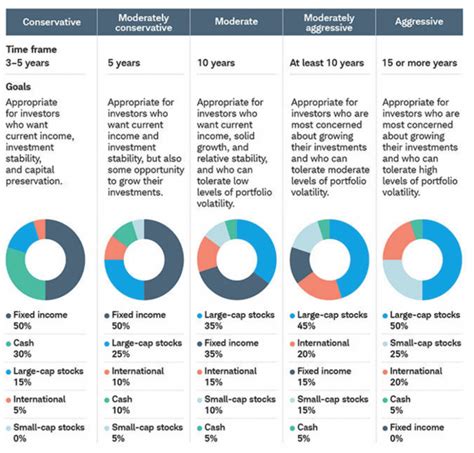
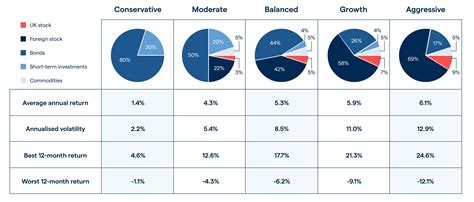
    Mix of asset classes:

    • Stocks & ETFs
    • Bonds or debt funds
    • Real estate
    • Gold or commodities
    • Crypto (in moderation)
    diversified investment portfolio

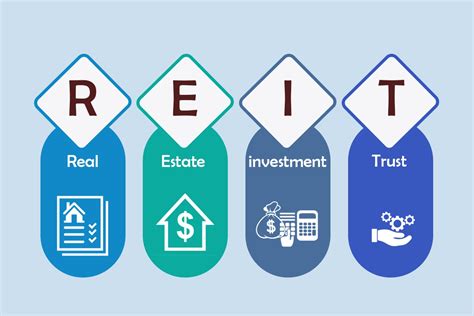
    8. Explore REITs (Real Estate Investment Trusts)

    Want real estate exposure without buying a property? Try REITs.

    These are companies that own or finance income-producing properties. You earn returns from rental income and appreciation—without the headache of being a landlord.

    Benefits:

    • Low capital needed
    • Regular dividend income
    • Traded like stocks (liquid)
    REIT investment

    9. Learn Before You Invest

    Don’t invest blindly. Use 2025’s free tools and resources to build your confidence.

    Learn from:

    • YouTube (Pranjal Kamra, Rachana Ranade)
    • Podcasts (BiggerPockets, The Money Guy Show)
    • Books (Rich Dad Poor Dad, The Psychology of Money)

    🎯 The more you know, the fewer mistakes you’ll make.

    learn about investing

    10. Stay Consistent and Think Long-Term

    Forget quick wins. Think long-term. The key to building wealth is consistency—not luck.

    Follow this mindset:

    • Invest regularly (even in downturns)
    • Don’t panic-sell
    • Be patient. Let compounding work

    “Time in the market beats timing the market.”

    long-term investment strategy

    Bonus Tip: Avoid High Fees and Scams

    High-fee advisors or too-good-to-be-true schemes can kill your returns.

    Protect yourself:

    • Use trusted platforms
    • Stick with low-cost funds
    • Don’t trust unregulated tips or influencers promising guaranteed gains
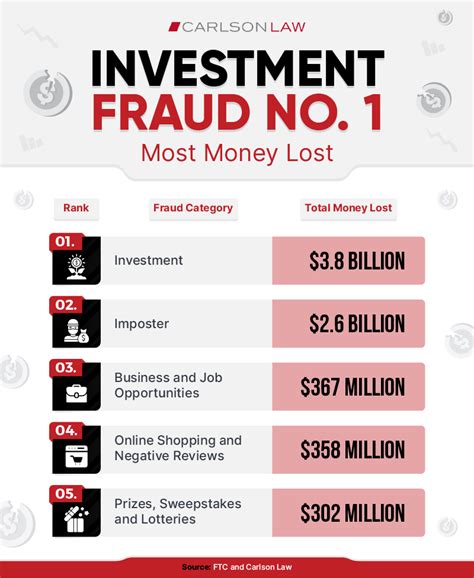
    investment scam warning